Happy Health India – Products, Contact Details and More
Happy Health India is a health and wellness company operating in India that offers a wide range of holistic health products and e-commerce services.
With a commitment to promote overall well-being, the company provides a wide range of high-quality wellness products, catering to the various health needs of its customers.It offers an extensive range of health products, home care products, footwear, garments, food products, and much more.
Vision of the company
Happy Health India is committed to making individuals healthy by providing health products that are beneficial for well being. The company’s main objective is to offer rejuvenating health products at an affordable price.
Key Details
Head Office
HHI MARKETING PVT.LTD. B-31, 129/247, St. No. 7, Guru Arjan Dev Nagar, Near Samrala Chowk, Ludhiana – 141008, Punjab – India
Happy Health India also offers individuals the opportunity to join them as distributors to expand their business across various cities. Individuals can join them and become direct sellers with the company simply by filling out the application form available on their website.
The company will provide commissions every month based on the level of business and profit generated by the distributors.
Please refer to this pdf to view complete details of the business plan.
Benefits of the Happy Health India Business Plan
Below are a few advantages offered if one becomes an active business associate of HHI:
Retail Profit up to 30%
Loyalty Benefit Up to 5%
Leadership Bonus up to 14%
Special bonus for each rank up to 30%
By becoming an active business associate of Happy Health India, individuals can take advantage of the benefits of holistic health and wellness while also building a successful business venture.
Author Bio
This article is written by Team InsuranceLiya.com, an independent website that writes about insurance, finance, health, and more. Our writers have a wealth of knowledge, experience, and degrees in the fields of insurance, finance, economics, and beyond.
Experience the power of Artificial Intelligence (A.I)
Chat with our super-intelligent A.I model and ask it anything about insurance and related products.
Health Department of Haryana (Schemes & List of Hospitals)
Health Department of Haryana plays a vital role in safeguarding the well-being and health of the public in the state of Haryana. Its main purpose is to provide access to high quality healthcare services and improve the healthcare infrastructure within the state of Haryana. In this article, we will talk about the following:
Table of Contents:
About Health Department of Haryana
Functions of Health Department Haryana
Schemes provided by Health Department of Haryana
List of Hospitals
About Health Department of Haryana
The Health Department of Haryana is responsible for overseeing and promoting public health within the state. The main goal of health department of any state is to ensure the well-being of the people by implementing and managing various healthcare programmes and initiatives.
Their role is to provide leadership and administrative oversight to ensure the smooth functioning of the Civil Hospitals.
The Health Department of Haryana is headed by the Director General, Health Services, and further assisted by One Additional Director General, Seven Directors, One Joint Director (Administration), and Deputy Directors at the Head Office.
The district’s health services are taken care of by the Civil Surgeon, who serves as the head of health services. The Civil Hospitals within the district are headed by principal medical officers, medical superintendents, or Senior Medical Officers.
Functions of Health Department Haryana
Below are some key functions that a health department may overlook:
Disease Control and Prevention: Health departments in India are responsible for developing strategies to prevent the spread of diseases and control outbreaks. This includes monitoring and implementing vaccination campaigns, health awareness programmes in response to infectious diseases like COVID-19, etc.
Healthcare Infrastructure: Another major role is maintaining state hospitals, clinics, medical facilities, vaccination centers, etc. This is done in order to provide accessible, high quality healthcare facilities for the people residing in the state.
Health Regulations: It plays a vital role in establishing health policies, mandates, and guidelines within the state. The health department establishes standards for healthcare providers. It enforces regulations related to food safety and hygiene. It also ensures compliance with public health laws.
Public Health Initiatives: It is the responsibility of state health departments to organise and implement public health initiatives pertaining to health issues within the state. These initiatives include maternity care, family planning, child programmes, etc. It also includes programmes like STD prevention, nutrition programmes, and more.
Emergency Response: It is responsible for preparing well in advance in case of any health emergencies, outbreaks, or disasters. It manages emergency medical services, emergency response procedures for a timely and effective response during crises.
Schemes/ Programmes by the Health Department of Haryana
Below are a few health programmes and schemes by the Health Department of Haryana:
Family Welfare Programme
The objective of this programme is to stabilise the population at a level consistent with the requirements of the national economy. Dedicated efforts are made to ensure effective family planning.
Key features:
Avoid unwanted pregnancies.
To stabilise the population.
To encourage the use of contraceptives.
National Viral Hepatitis Control Program (NVHCP)
The State of Haryana has introduced its own Hepatitis programme at PGIM Rohtak in 2013. This programme aims to provide effective treatment and diagnostic facilities like ultrasound, fibroscan, etc to the people of Haryana.
Key features:
Aims to fight hepatitis and achieve the elimination of Hepatitis C by 2030.
To provide quality healthcare to people suffering from liver cancer.
To provide early diagnosis and management of viral hepatitis.
Haryana State Mental Health Authority Programme
This scheme aims to provide mental, emotional, and medical support to persons suffering from mental disorders.
Key features:
Improved mental health services.
To encourage mental health awareness.
Development and implementation of mental health policies.
HIV/AIDS Health Programme
The main purpose of this programme is to spread awareness, eradicate the spread of HIV, and also provide healthcare to people suffering from the illness.
Key features:
To initiate Awareness and Education.
To provide adequate healthcare to persons suffering from HIV.
To provide counselling and testing facilities.
Integrated Disease Surveillance Project (IDSP)
This is a nationwide disease surveillance system in India, aimed at early detection and monitoring of diseases to enable efficient policy regulations.
Key features:
To establish well equipped public health laboratories.
To provide early warning in the event of occurrence of new diseases.
National Programme for the Health Care of the Elderly (NPHCE)
This programme aims to provide affordable, high quality, long term health services to the elderly population within the state of Haryana.
Key features:
To encourage the concept of healthy and active ageing.
To provide high quality healthcare to the ageing population.
National Programme for Control Of Blindness and Visual Impairement (NPCB and VI)
This is another public scheme by the state of Haryana to promote awareness about eye illnesses and other eye-related disorders.
Key features:
Aims to reduce the backlog of blindness.
To encourage awareness about eye care and preventive measures.
To increase research for the prevention of blindness and visual impairment.
This article is written by Team InsuranceLiya.com, an independent website that writes about insurance, finance, health, and more. Our writers have a wealth of knowledge, experience, and degrees in the fields of insurance, finance, economics, and beyond.
Experience the power of Artificial Intelligence (A.I)
Chat with our super-intelligent A.I model and ask it anything about insurance and related products.
Health Department of Bihar (Schemes & List of Hospitals)
Health Department of Bihar plays a vital role in safeguarding the wellbeing and health of the public within the state of Bihar. Its main responsibility is to provide access to high quality healthcare facilities and improve the healthcare infrastructure in Bihar.
Table of Contents:
About Health Department of Bihar
Schemes provided by Health Department of Bihar
Functions of Health Department Bihar
List of Hospitals
About Health Department of Bihar
The Health Department of Bihar is responsible for overseeing and promoting public health within the state. It is committed to providing effective and timely healthcare services to the people of Bihar.
It is responsible for providing health care services, high quality drugs at an affordable price, and proper maintenance of healthcare infrastructure within the state of Bihar.
State Health Society, Bihar, and its other sub-societies, as well as Bihar Medical Services and Infrastructure Corporation Limited (BMSICL), work under the Health Department of Bihar.
Its vision is to strengthen health systems with adequate infrastructure, trained staff, supplies, and implement public health laws in order to ensure healthy lives and well-being for all.
Schemes/ Programmes by the Health Department of Bihar
Chief Minister Sahayata Kosh Yojana(CMSK)
This scheme provides financial assistance to families below the poverty line (BPL) for the treatment of chronic diseases such as cancer, stroke, heart attack, etc. https://state.bihar.gov.in/health/SectionInformation.html?editForm&rowId=3793
Parivar Kalyan Karyakram Yojana
It is a health initiative that aims to provide comprehensive healthcare services to families and improve child health outcomes. It focuses on various aspects of child health, including family planning, antenatal care, postnatal care, etc.
Andhapan Niyantran Karyakram Yojana
Andhapan Niyantra Karyakram, also known as the Blindness Control Programme, is an important initiative taken by the health department of Bihar. This scheme is designed to offer treatment to persons suffering from eye related illnesses. It also aims to raise awareness about early detection of eye related illnesses.
Janani Bal Suraksha Yojana
This scheme aims to provide safe delivery for pregnant women and also provides vaccinations for the newborn child. A set amount as an incentive is also provided to the pregnant women at timely intervals.
Advanced Life Saving Ambulance
As the name suggests, this initiative provides an ambulance special service for road accident victims, fire victims, cardiac patients, and other emergency cases.
Functions of Health Department of Bihar
Below are some key functions that a health department may overlook:
Disease Prevention & Control: Health departments in India are responsible for developing strategies to prevent the spread of diseases and control outbreaks. This includes monitoring and implementing vaccination campaigns, health awareness programmes, and more.
Health Policies & Regulations: It is the responsibility of health departments to establish health policies, mandates, and guidelines within the state. It establishes standards for healthcare providers and also enforces regulations relating to public health laws.
Maintaining Health Infrastructure: Another major role is maintaining state hospitals, clinics, medical facilities, vaccination centers, etc. This is done in order to provide high quality healthcare facilities for the people residing in Bihar.
Public Health Initiatives: It is the responsibility of state health departments to implement public health initiatives pertaining to health issues within the state. It includes schemes like maternity care, family planning, children schemes, etc. It also includes schemes like HIV prevention, nutrition programmes, and more.
List of Hospitals
Below given is the list of hospitals in Bihar. To check out the full list visit the official website:
Sr. No
Name
Address
1
All India Institute of Medical Sciences (AIIMS)
Phulwari Sharif, Patna, Bihar Pin: 801505
Phone: 0612-2451 922
2
Nalanda Medical College & Hospital
Nalanda Medical Hospital, Agamkuan, Patna,
Pin: 800007
Contact: 0612-2918523
3
Darbhanga Government Hospital
TBDC Campus, Opp KS College, Laheriasaria, Lalbagh, Darbhanga, Pin: 846001
Phone: 06272-233513
4
Patna City Hospital
48-D, Near Income Tax Building, Gurhatta, Patna, Pin: 800008
Phone: 0612-2631817
5
Indira Gandhi Institute of Medical Sciences (I.G.I.M.S)
Sheikhpura, Patna,
Pin: 800 014
Phone: 0612 – 2297099
6
Anugrah Narayan Magadh Medical College & Hospital
Sher Ghati Road, Gaya, Bihar,
Pin: 823001
Phone: 0631-2410339
7
Burn Hospital
2nd Floor, R. S Memorial Hospital, Sahara Gali, Donor Chowk, VIP Road, Dharbhanga, Bihar,
Pin: 846001
Phone: 9507280294
8
Aastha Lok Hospital
N/4, Professor Colony, Near Kendriya Vidyalaya Kankarbaugh, Patna, Pin: 800020
Phone: 0612-2353469
Blood Banks List in Bihar
Sr. No
Name
Address
1
Lifeline Blood Bank
G.M Road, Patna
Phone: 2303025
2
Bihar State Aids Control Society
State Institute of Health and Family Welfare, Sheikhpura, Patna, Bihar, Pin: 800014
Second Floor, Maa Vaishno Devi Sewa Samiti, Maa Patandevi Place, Opp Uday Palace, Govind Mitra Road, Patna, Pin: 800004
Phone: 09308393446
Dedicated Covid-19 Hospital List
Below given is a list of few Covid-19 dedicated hospitals in Bihar. To check out the full list visit the official website i.e http://statehealthsocietybihar.org/
Sr. No
Name
Address
1
Nalanda Medical College & Hospital
Kankarbagh Main Road, Patna, Pin: 800026
Phone :- 0612-2354871
2
Anugrah Narayan Magadh Medical College and Hospital
This article is written by Team InsuranceLiya.com, an independent website that writes about insurance, finance, health, and more. Our writers have a wealth of knowledge, experience, and degrees in the fields of insurance, finance, economics, and beyond.
Experience the power of Artificial Intelligence (A.I)
Chat with our super-intelligent A.I model and ask it anything about insurance and related products.
Top 10 Healthy Evening Snacks to Keep You Satiated
Are you craving for some healthy snacks during the evenings? Well, check out our list of 10 healthy evening snacks that every Indian can enjoy at the end of a hard work-day.
Do you wonder why you feel hungry during the evening time? Well, there are a multitude of reasons for this. One reason could be that we tend to expend a lot of energy throughout the day doing our daily chores and other work, and this leads to an increase in metabolism as we need to spend more energy. As the day begins to close, we need to refill our body with the nutrients lost, thereby resulting in an increase in hunger.
That being said, let’s get back to the topic and give you a list of Top 10 Healthy Evening Snacks to Keep You Satiated and satisfied.
Baked Sweet Potato Fries
Besan Chilla (Gram Flour Pancake)
Veggie Upma
Veggie Stuffed Grilled Sandwich (creamy)
Spinach and Cheese Stuffed Mushrooms
Lamb Kebabs
Parsi Mutton Cutlets
Kolkata Egg Roll (Anda Roll)
Egg Bhurji Sandwich
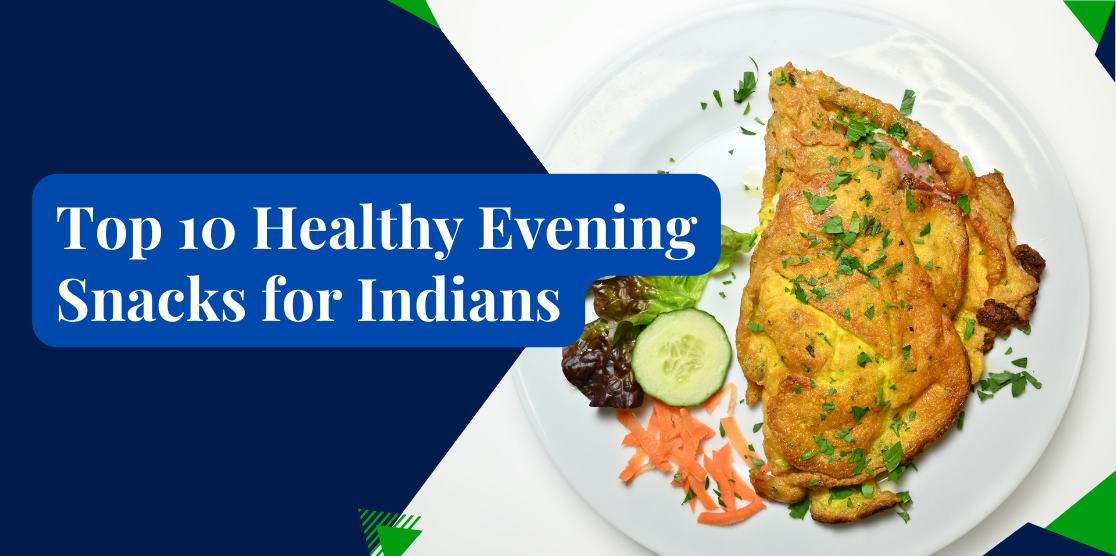
Indian Masala Omelette
Top 10 Healthy Evening Snacks: We have split the snacks into vegetarian as well as non-vegetation choices.
Vegetarian Healthy Evening Snacks
First, let’s have a look at vegetarian healthy evening snacks, then we can later move to the non-vegetarian snacks.
Baked Sweet Potato Fries
Baked sweet potato fries could be an excellent choice to satiate your evening hunger pangs that too guilt-free. Sweet potato is a good source of Dietary Fiber, Vitamin A, Potassium, Manganese, and more. Be sure to bake it and not deep fry it though.
Gram flour pancakes or Besan Chilla are an excellent choice when you want to deal with your evening hunger woes. It is a hot and healthy food item that is sure to make you feel full and satisfied.
The besan (gram flour)in the besan chilla is a good source of dietary fiber that makes you feel full and even promotes gut health. On top of that, it is gluten-free.
What can beat a classic? The vegetarian upma has been a staple in Indian households for a very long time. Upma is made out of semolina (rava or suji) and a host of nutritious vegetables like tomato, potato, black lentils, dhania, mustard seeds, turmeric and more.
Umpa also gives the body a host of micronutrients and antioxidants that increase our health and wellness. These micronutrients are delivered to us through spices like dhania, coriander, mustard, and turmeric.
A western classic, but now widely adopted in India as well. A basic veg stuffed grilled sandwich can’t do wrong! This flavour-packed sandwich is sure to be a mega-hit in your home and among your family members. It is a complete meal in itself encompassing dairy, wheat, vegetables, aromatics, and seasoning.
Now, there may be times where you might want to jazz up your kitchen game and whip up something fancy, this is where Spinach and Cheese Stuffed Mushrooms will come to your rescue.
It’s a delicious combination of everything that works perfectly together; cheese, spinach, and mushrooms. A match made in heaven.
Did you know that spinach is an excellent source of Ecdysterone that helps in boosting the production of testosterone, thereby increasing muscle mass! Just be sure to use high quality non-processed cheese.
Now, that the veg options are out of the way, we can concentrate on some of the most-healthy and tasty non-vegetarian healthy evening snacks for Indians.
Lamb Kebabs
Lamb kebabs are simple to make and they are succulent and tasty, not to forget that they are an undercover health food in itself. The lamb in lamb kebabs in packed with nutrients such as protein, iron, vitamin B12, Niacin, Zinc, Vitamin B6, Riboflavin, and beyond.
Parsi mutton cutlets are a power-packed evening snack. To make it even healthier, consider baking the mutton cutlets rather than deep frying them.
The mutton in mutton cutlet is a fantastic source of protein, iron, B complex vitamins, selenium, Omega-3 Fatty Acids, potassium, and more. These nutrients are necessary for the health and wellbeing of humans.
You simple can’t go wrong with this one! The anda roll is cult classic that everyone has enjoyed at one time or another. Even though the classic anda roll is excellent in itself, try experimenting with the uber-tasty Kolkata egg roll for once.
An egg bhurji is everyone’s favourite. Why not take things up a notch by combining tasty egg burji with a couple of loafs of multi-grain bread? The egg burji sandwich is ought to fill you up as it is packed with vegetables, protein, grains, and fiber. Also, the eggs in the bhurji is a rich source of lutein and zeaxanthin that improve eye health.
This is an excellent choice for breakfast, evening snacks, as well as snacking in between the day.
The humble yet protein-rich masala omelette is sure to be the enemy of hunger in your household. Just be sure to use high quality fats when you prepare your masala omelette.
This article is written by Team InsuranceLiya.com, an independent website that writes about insurance, finance, health, and more. Our writers have a wealth of knowledge, experience, and degrees in the fields of insurance, finance, economics, and beyond.
Experience the power of Artificial Intelligence (A.I)
Chat with our super-intelligent A.I model and ask it anything about insurance and related products.
Top 10 reasons you need to get Celtic Salt in your diet
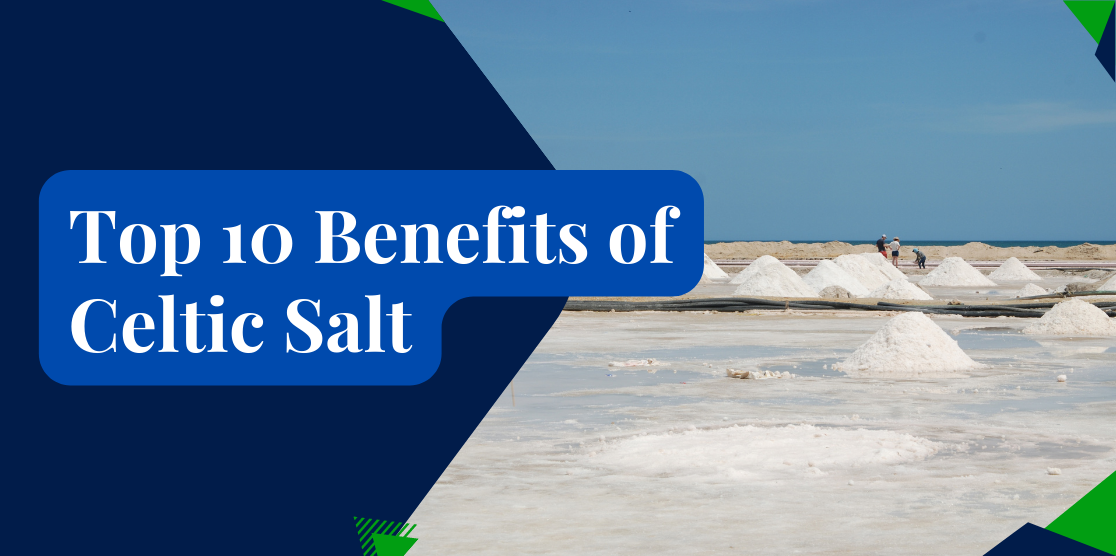
Celtic salt also known as Celtic sea salt is a type of unrefined sea salt found in the coastal regions of Brittany, France. What makes Celtic salt special? Well, that’s what we’re going to talk about in the article below.
This article attempts to highlight the plethora of health benefits of Celtic sea salt over conventional table salt. We will also talk about how Celtic salt or Sel Gris is different compared to Himalayan salt. Let’s dive in!
What is Celtic salt and what makes it unique?
The unrefined nature of Celtic salt is what makes it so special and beneficial for human consumption. General table salt goes through a whole battery of hyper-processing that ends up depleting it from necessary minerals that our bodies need. On the other hand, Celtic salt is produced by using centuries old traditional method of obtaining the salt by using sea water evaporation.
This traditional method of processing along with the excellent location of the salt pan gives Celtic salt is nutrients. Some of the most important nutrients within Celtic salt are sodium, iodine, potassium, calcium, copper, iron, manganese, and zinc.
Celtic Salt vs. Regular Salt
Let us now dive into some of the most notable benefits of consuming Celtic salt over regular salt.
Celtic Salt
Regular Salt
Source
Coastal regions of Brittany, France (Celtic Sea salt marshes)
Any underground salt deposits and salt mines
Content of Minerals
Sodium, iodine, potassium, calcium, copper, iron, manganese, and zinc
Generally, externally added iodine.
Flavour
Slightly unsalty compared to regular salt
More salty
Processing
Unprocessed
Highly processed via refining and bleaching
Nutrients
Higher nutrient content compared to regular salt.
Processing the salt depletes it from its nutrients
Scope of Hydration
It retains some of its moisture
Does not retain any of the natural moisture
Organic Nature
Organic and free from chemicals
Highly processed and may contain trace elements of chemicals within it.
Trace Elements
Higher amounts of trace elements
Lower amount of trace elements
Texture
coarse texture
Fine texture
Additives
No additives
Anticaking agents
Benefits of Celtic Salt
Organic Nature: The organic nature of Celtic salt ensures that harmful chemicals like anticaking agents are not a part of your diet. Further, there is no bleaching or other types of harmful processing that takes place during the lifecycle of Celtic salt.
Balances your Electrolytes: Minerals are required to balance our body’s electrolytes. Celtic salt possesses a host of important minerals that regulate electrolytes such as magnesium, potassium, iron, copper, and zinc.
Optimal Muscle Support: The minerals within Celtic salt aid in muscle recovery and support.
Antioxidant: The zinc present within Celtic salt is associated with antioxidant properties that have proven to delay ageing.
Reduction of stress: The mineral magnesium within Celtic salt is associated with stress reduction.
Better Hydration: Just drinking water doesn’t lead to efficient hydration. It is the mineral content within the salt that aids hydration. The mineral content within Celtic salt assists hydration to a great degree.
Now, let us now dive into some of the most notable differences of Celtic salt over Himalayan salt.
Celtic Salt
Himalayan Salt
Source
Coastal regions of Brittany, France
Himalayan mountain range
Flavour
Briny flavor
Mild flavour
Processing
Minimal processing or no processing
Slightly more processed compared to Celtic salt
Colour
Light grey
Mild pink
Scope of Hydration
Higher moisture content
No moisture content
Uses
Usually used primarily for consumption.
Consumption, bath salt, salt inhaling, air purifying, and more
Trace Elements
86 trace minerals
34 trace minerals
Author Bio
This article is written by Team InsuranceLiya.com, an independent website that writes about insurance, finance, health, and more. Our writers have a wealth of knowledge, experience, and degrees in the fields of insurance, finance, economics, and beyond.
Experience the power of Artificial Intelligence (A.I)
Chat with our super-intelligent A.I model and ask it anything about insurance and related products.
Learn about the most important aspects of World Health Day. When is World Health Day observed? Why we celebrate World Health Day? What are some interesting facts about World Health Day? What is the history and importance of World Health Day?
When is World Health Day observed?
Why we celebrate World Health Day?
What are some interesting facts about World Health Day?
History and Importance of World Health Day
When is World Health Day observed?
World Health Day is observed every year on the 7th of April. Coincidently, 7th of April also marks the founding of the World Health Organization (WHO). WHO was founded on 7th April, 1948.
World Health Day was first observed on the 7th of April, 1950, thereby making it one of the world’s oldest health initiative.
Why we celebrate World Health Day?
World Health Day is an initiative started by the WHO that highlights the importance and benefits of maintaining good health for all the peoples of the world. It is a health initiative by the WHO that educates, promotes, and advocates good health and lifestyle ideas and thinking. Here are the most important reasons why World Health Day is celebrated:
Promotes Health and Wellness: World Health Day has a yearly theme that talks about a particular pressing health issue globally. For instance, in 2023, World Health Day theme is “Health for All.” The “Health for All” theme talks about the promotion of equal healthcare services across regions and across geo-political and socio-economical states.
Educates People: World Health Day gives the WHO an important opportunity to educate the people on certain important health topics. Further, it is an important opportunity for the WHO to dispel myths and other inaccurate information and misconceptions.
Influencing Governments: The WHO through World Health Day, influences governments across the world to adopt certain standards of health that improve the health and wellbeing of people in their countries. They advocate for health policies that are later implemented by governments.
Quality Healthcare for Everyone: It is a fundamental goal of the WHO to ensure that quality healthcare is provided to everyone across the world. This agenda is pushed through the WHO World Health Day (WHD.)
Sustainable Development Goals (SDGs): World Health Day highlights and attempts to accomplish the Sustainable Development Goals (SDGs) of the United Nations (UN). What are UNs SDGs? UN SDGs are a UN blueprint that attempts to achieve a more sustainable and equitable world by the year 2030.
What are some interesting facts about World Health Day?
Now, you have a good idea about what the World Health Day is, but there are also certain little known interesting facts about World Health Day that we’re sure you were not aware of. Let’s check out some of the most interesting facts about World Health Day.
World Health Day was inspired by Canada’s Health Day.
World Health Day has a colour associated with it. It is associated with the colour blue, which signifies hope and awareness.
“Solidarity at 8 pm” is a program adopted by the WHO where people around the globe cheer for healthcare works at 8pm on World Health Day.
Free health snacks are generally distributed across the globe on World Health Day.
Every World Health Day is theme based. The list of themes across the years include “Safe Blood Starts with Me”, “Mental Health: Stop Exclusion, Dare to Care”, “Move for Health”, “Support Nurses and Midwives”, “Beat Diabetes” and beyond.
History and Importance of World Health Day
Let us now talk about the history and importance of World Health Day.
World Health Day was introduced on April 7th, 1950.
Every year since its incorporation, it follows a theme based approach where the most pressing health issues worldwide are talked about on World Health Day by incorporating them in a theme.
Some of the most important health issues incorporated into a World Health Day theme include themes about diabetes, HIV/AIDS, Malaria, Depression, Mental Health, and beyond.
In India alone, there have been various vaccination drives, blood donation drives, health exhibitions, health camps, school health programs, and more that are organized by the WHO on World Health Day.
Author Bio
This article is written by Team InsuranceLiya.com, an independent website that writes about insurance, finance, health, and more. Our writers have a wealth of knowledge, experience, and degrees in the fields of insurance, finance, economics, and beyond.
Experience the power of Artificial Intelligence (A.I)
Chat with our super-intelligent A.I model and ask it anything about insurance and related products.
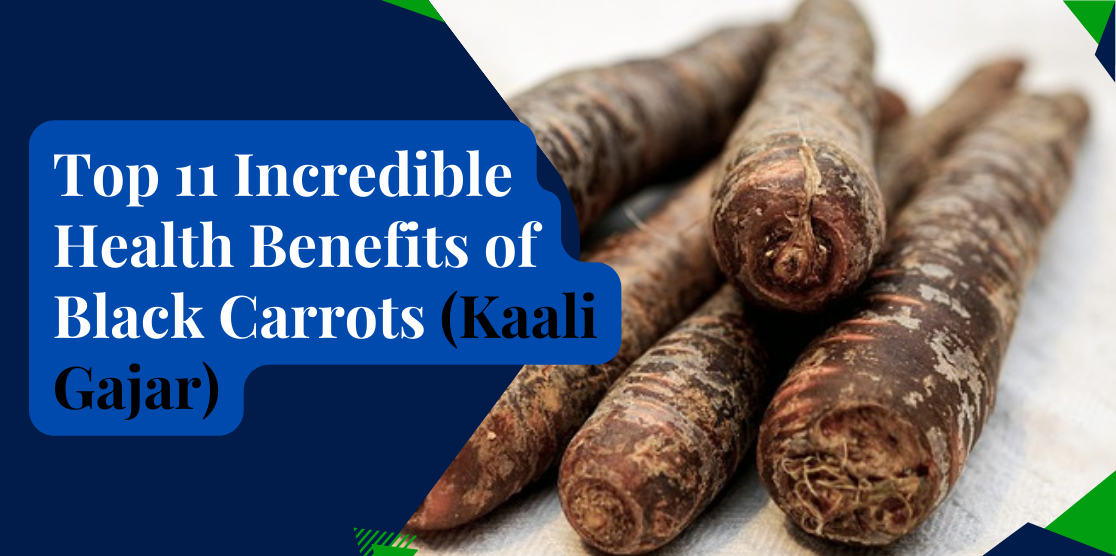
Top 11 Incredible Health Benefits of Black Carrots (Kaali Gajar)
Black carrots, tucked away from the traditional orange and yellow hue, possess a dark allure that arises curiosity and entices taste buds.
Beyond their unique appearance, these healthy carrots offer a unique flavor and a plethora of health benefits. In this article, we will talk about the following:
What is a Black Carrot? (Kaali Gajar)
Top 11 Health benefits of Black Carrots
Nutritional Profile of Black Carrots
Origin of Black Carrots
How to eat Black Carrots?
Black Carrot Recipes
What is a Black Carrot?
Black carrots are a unique variety of carrot that has a dark purple or black colour. The scientific name of black carrots is Daucus carota ssp. sativus var. atrorubens. The most unique and important characteristic of black carrots is that they are extremely rich sources of anthocyanins, which have powerful antioxidant properties. The high content of these anthocyanins present in black carrots is responsible for their black or dark purple colour.
They contain 20 times more anthocyanins as compared to traditional orange or yellow carrots. Anthocyanins, is a bioactive compound, that have been proven to provide many health benefits, like reducing oxidative stress and inflammation in the body. And also treat health conditions like cancer, mental disorders, and heart diseases.
Taste of a Black Carrot: Unlike traditional orange carrots, black carrots offer an extraordinary taste experience. These dark-hued carrots are known for their delightful sweetness, which is complemented by a gentle spiciness.
Top 11 Incredible Health benefits of Black Carrot
Below are the amazing health benefits offered by black carrots:
1.) Black Carrots are Rich in Antioxidants
Kaali Gajar is loaded with numerous antioxidants, mainly anthocyanins, which belong to a higher class of flavonoids. Anthocyanin, a potent antioxidant abundantly present in black carrots, have the ability to fight free radicals within the body.
These compounds also protect cells and tissues against oxidative stress. Anthocyanins also possess anti-inflammatory properties that drastically reduce inflammation within the body, preventing heart diseases or chronic inflammation related diseases.
2.) Black Carrots Combat Cancer
Black carrots have polyphenols, a substance that is found in fruits, vegetables, and plants. These polyphenols contained in black carrots possess antioxidant properties that have cancer fighting capabilities. Polyphenols eliminate free radicals present within the body, preventing any cellular damage or cancer.
3.) Black Carrots aid in Weight Loss
Kaali Gajar is exceptionally high in fibre, that aids in effective weight loss. It contains insoluble fibre, which does not dissolve in water but adds bulk. This results in keeping you satiated and feeling fuller for longer periods of time. Including black carrots in your diet can be a good option if you are wanting to lose weight.
4.) They Promote Gut Health
As mentioned above, black carrots contain insoluble fibre that has prebiotic properties. This promotes the good bacteria in the gut, promoting nourishment and a healthy gut environment.
5.) Black Carrots Relieve Constipation
The high fibre content of black carrots promotes regular bowel movements. It also helps prevent constipation by adding bulk to the stool.
6.) Black Carrots Improve Eyesight
Black carrots are significantly loaded with beta-carotene, a potent compound that converts into vitamin A within the body. Vitamin A is responsible for a strong immune system, good eyesight, and improved eye health. Hence, it is advisable to consume black carrots in moderation for individuals suffering from any eye disorders.
7.) Black Carrots Control Blood Sugar Levels
According to studies, it has been found that black carrots are effective against type 2 diabetes. The phenolic compounds and high fibre content present are responsible for stabilising blood sugar levels within the body.
Along with phenolic compounds and fibre, they are also packed with beta-carotene, which helps improve insulin resistance. As a result, improving hyperglycemia conditions in patients. Despite their sweet taste, they can be an ideal choice for persons suffering from diabetes if eaten in moderation.
It also assists in eliminating the plaque accumulated within the arteries and veins for healthy blood flow. As a result, this helps lower blood cholesterol and blood pressure levels for overall well being.
9.) It Improves Brain Function
According to studies, it has also been found that regular consumption of black carrots improves brain function. Black carrots are loaded with anthocyanins, which reduce oxidative stress and neuro inflammation.
It also protects the neurons against neuro toxicity. This greatly improves brain function and prevents neuro degenerative diseases like Parkinson’s, and dementia.
10.) It Treats Arthritis
Consuming black carrots on a daily basis has proven effective in aiding people suffering from rheumatoid arthritis. They are a powerhouse of flavanoids that possess antioxidants and anti inflammatory properties, which combat chronic illnesses in the body.
11.) Reduces Oxidative Stress
Black carrots are loaded with antioxidants that help reduce free radicals in the body that cause oxidative stress.
These free radicals damage healthy cells and cause inflammation within the body, resulting in diseases like cancer and so on. Hence, it is recommended to incorporate foods that are rich in antioxidants into your daily diet.
Nutritional Profile of Black Carrots
According to a source, every 100 grams of raw black carrot contains these nutrients.
Nutrients
Measurement
Carbohydrate
9.58 g
Fibre
2.8 g
Vitamin C
5.9 mg
Thiamine
0.066 mg
Riboflavin
0.058 mg
Energy
41 Kcal
Note: Keep in mind that the nutritional content may vary slightly depending on the variety, growing conditions, and preparation method of the black carrots.
How to eat Black Carrots?
You can eat black carrots the same way you eat regular carrots. They can be consumed raw, cooked, or squeezed into a fresh juice. Here are a few ways you can incorporate them into your diet:
Juice: Thoroughly wash them with clean water and simply grind them into a fine juice in the juicer. They can also be juiced along with other fruits and vegetables to make a nutrient packed health juice.
Cooked: You can cook, saute, roast, and steam kaali gajar just like any other vegetable or subzi.
Raw: Black carrots can also be eaten fresh. You can freshly grate them and add them to your salads, sandwiches, or wraps.
Black Carrot (Kaali Gajar) Recipes
Black Carrot Halwa
Method:
Step 1: Grate the black carrots and saute them in a pan.
Step 2: Add milk and cook it until soft.
Step 3: Add sugar and a pinch of elaichi powder.
Step 4: Add milkmaid to the mixture after its well cooked.
Step 5: Lightly saute cashews and pistachios in ghee and add them to the halwa.
Tasty black carrot halwa is ready in minutes for you to enjoy.
Ingredients:
1 Kg black carrot
Sugar- 2 cups
Milk- 2 cups
Cardomom powder- 1 tbsp
Milkmaid
Ghee- 3 tbsp
Cashews and pista
Black Carrot Kanji
Method:
Step 1: Pour grated black carrot along with 4 cups of water, mustard seeds, salt, red chilli, hing into a ceramic jar and cover it with a muslin cloth tightly.
Step 2: Let the mixture ferment for 3- 4 days. Place the jar in a warm and dark space away from direct sunlight.
Step 3: The kanji will be ready after 3- 4 days. It should taste slightly tangy. You can add more salt or spices as per your preference.
Step 4: This kanji can be stored in the fridge for a week. It best to drink chilled kanji post meal for improved digestion.
Ingredients:
2 black carrots
Water-4 cups
Mustard seeds- 2tbsp
Red chili powder- 2tbsp
Salt- 1 tbsp
A pinch of hing
Author Bio
This article is written by Team InsuranceLiya.com, an independent website that writes about insurance, finance, health, and more. Our writers have a wealth of knowledge, experience, and degrees in the fields of insurance, finance, economics, and beyond.
Experience the power of Artificial Intelligence (A.I)
Chat with our super-intelligent A.I model and ask it anything about insurance and related products.
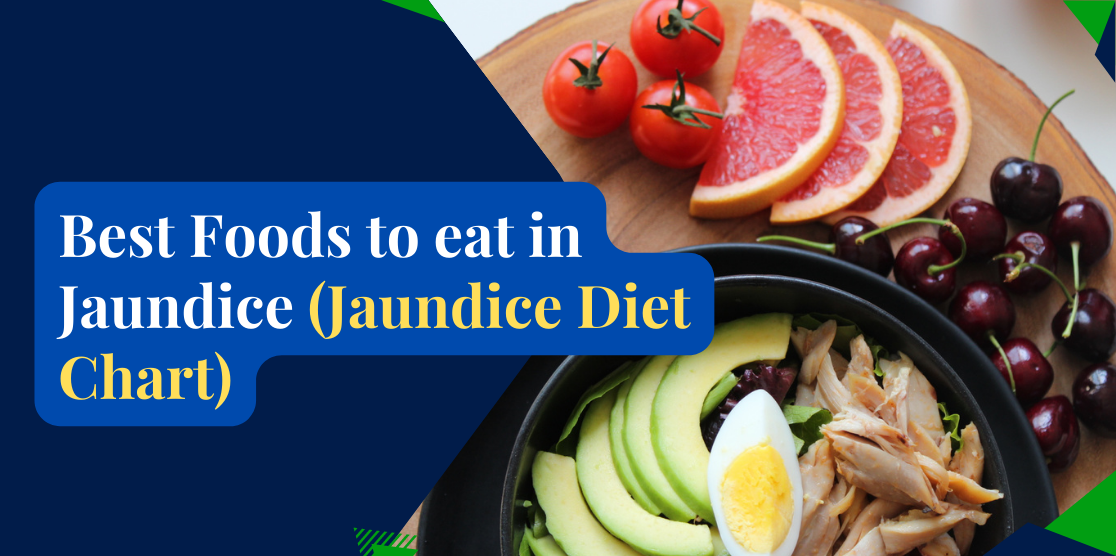
Best Foods to eat in Jaundice (Jaundice Diet Chart)
We will talk about the Best Foods to eat while undergoing Jaundice treatment (along with a Jaundice Diet Chart). Along with giving you a jaundice diet chart that you can follow to create delicious breakfast, lunch, and dinner meals, it is also important to know a few important aspects of jaundice and how the food we consume can aid during jaundice recovery. We will talk about the following:
What is jaundice?
What types of food to eat and avoid in jaundice?
Jaundice Diet Chart (From Sunday to Monday)
What is jaundice?
Jaundice is a condition of the liver. A healthy liver processes a pigment called bilirubin. Bilirubin is a yellow colored pigment that is produced when red blood cells are broken down. A healthy liver is capable of processing bilirubin and later discards it through the body’s digestive system.
If a person has a condition of the liver, the liver is unable to process this yellow colored bilirubin pigment effectively, and it builds up in the body, thereby causing a person’s skin, eyes, nails, and other body parts to turn slightly yellow.
The general causes of jaundice include liver damage caused by alcohol consumption, hepatitis, gallstones, and other liver related diseases.
What types of food to eat and avoid in jaundice?
As jaundice is a condition of the liver, it is imperative that we do not overload the liver by consuming heavy, processed, and unhealthy foods. We need to give the liver time and opportunity to heal itself by nourishing it with liver healthy foods. These are some of the foods that we can eat and avoid in jaundice.
Foods to eat in jaundice
Water (stay hydrated)
Fruits and vegetables
Nuts and legumes
Lean proteins
Coffee and tea
Foods to avoid in jaundice
Deep-fried foods
Ultra-processed foods
Alcohol
Sugar
Sodium
Unhealthy fats
Jaundice Diet Chart (Breakfast, Lunch, and Dinner)
Refer to this jaundice diet chat that gives you healthy and scrumptious breakfast, lunch, and dinner ideas for perfect jaundice recovery. Remember, always be sure to consult your doctor before beginning any diet program.
Monday:
Breakfast: Quinoa porridge cooked with almond milk, topped with sliced fruits (such as apples and pomegranate) and a sprinkle of cinnamon.
Lunch: Moong dal khichdi (rice and lentil dish) made with brown rice, moong dal, and a variety of vegetables like carrots, peas, and spinach.
Dinner: Grilled chicken breast marinated in a blend of yogurt, turmeric, and ginger-garlic paste, served with sautéed broccoli and quinoa.
Quinoa is an excellent source of protein
Tuesday:
Breakfast: Masala omelette made with egg whites, filled with diced bell peppers, onions, and a hint of turmeric and chili powder. Served with whole wheat toast and a side of mixed sprouts salad.
Lunch: Rajma (kidney bean) curry with brown rice and a side of mixed vegetable salad.
Dinner: Vegetable curry prepared with a combination of cauliflower, bell peppers, green beans, and tomatoes, served with quinoa pulao and a side of cucumber raita.
Rajma is known to improve fatty liver
Wednesday:
Breakfast: Buckwheat pancakes topped with fresh berries (such as strawberries and blueberries) and a drizzle of honey, accompanied by a glass of freshly squeezed orange juice.
Lunch: Lentil soup (dal) made with masoor dal (red lentils) and tempered with cumin seeds, served with a side of steamed asparagus and a small portion of quinoa.
Dinner: Tandoori tofu skewers marinated in a blend of yogurt, turmeric, cumin, and paprika, accompanied by a side of roasted sweet potatoes and a mixed green salad.
Daal is an excellent source of amino acids that are required for the regeneration of the liver.
Thursday:
Breakfast: Ragi (finger millet) porridge cooked with coconut milk and flavored with cardamom and a pinch of jaggery. Served with a handful of mixed nuts.
Lunch: Spinach (palak) soup made with fresh spinach leaves, seasoned with garlic and black pepper. Served with whole wheat bread and a side of cucumber-carrot salad.
Dinner: Vegetable biryani (fragrant rice dish with mixed vegetables) with cucumber raita.
Spinach is known to be liver healthy
Friday:
Breakfast: Vegetable uttapam (savory pancake) made with a batter of fermented rice and lentils, topped with finely chopped onions, tomatoes, and green chilies. Served with coconut chutney and a side of fresh fruit salad.
Lunch: Quinoa salad with a mix of colorful vegetables (such as bell peppers, cherry tomatoes, and corn) and a lemon-tahini dressing.
Dinner: Chicken stir-fry with a medley of vegetables (like broccoli, snow peas, and carrots) in a light soy-ginger sauce, served with cauliflower rice.
Saturday:
Breakfast: Daliya (cracked wheat) cooked with milk, flavored with cardamom and a pinch of saffron. Topped with sliced almonds and raisins.
Lunch: Chickpea (chana) curry cooked in a tangy tomato-based sauce, served with whole wheat naan and a side of cucumber raita.
Dinner: Grilled paneer tikka skewers marinated in a blend of yogurt, turmeric, and garam masala, served with a side of mint-coriander chutney and a quinoa pilaf.
Paneer is a good source of protein.
Sunday:
Breakfast: Aloo (potato) paratha with plain yogurt and a side of mango pickle. Lunch: Punjabi-style kadhi (yogurt-based curry) with steamed rice and a side of mixed vegetable salad. You can also experiment with green parathas made with methi.
Lunch: Moong dal khichdi made with brown rice, moong dal, and a variety of vegetables like carrots, peas, and spinach.
Dinner: Palak paneer (spinach and cottage cheese curry) with roti or whole wheat naan and a side of cucumber raita.
A Green Paratha
Points to remember:
Always consult your doctor before embarking or beginning a diet.
Use as less masala and oil as possible.
Do not consume deep fried foods
Keep the fats at a minimum.
Author Bio
This article is written by Team InsuranceLiya.com, an independent website that writes about insurance, finance, health, and more. Our writers have a wealth of knowledge, experience, and degrees in the fields of insurance, finance, economics, and beyond.
Experience the power of Artificial Intelligence (A.I)
Chat with our super-intelligent A.I model and ask it anything about insurance and related products.
Top 12 Important Health Benefits of using a Health Faucet
Health faucet is an innovative and dynamic bathroom fixture that has gained tremendous popularity in many countries with its enhanced sanitation practices. It has emerged as a revolutionary catalyst, redefining the way we approach cleanliness in our personal sanctuary, our bathrooms.
In this article, we will talk about the following:
What is a Health Faucet?
How to use a Health Faucet?
12 Incredible benefits of using Health Faucets
History and Evolution of Health Faucets
Emergence of Health Faucets in India
What is a Health Faucet?
A health faucet, also commonly referred to as jet sprays or bidets, is a bathroom fixture used for personal hygienic reasons. The main purpose of a health faucet is to clean the genital areas after defecating and urinating.
It is hand held device attached to a nozzle connected to the water supply to wash the toilet after each use.
You can simply holding the spray head and gently directing the flow of water towards your intimate areas to clean them. It is extremely easy and flexible to use, allowing you to navigate the flow of water in whichever direction you want for cleansing needs.
12 Incredible Benefits of Using Health Faucets
Enhanced Personal Hygiene: Health faucets provide superior hygiene as compared to other traditional methods like using toilet paper. The gentle supply of water effectively rinses and cleanses the intimate areas, offering a refreshing experience. While also reducing the chances or risks of any infections.
Enhanced Feminine Hygiene: It could be a ideal bathroom cleaning equipment for women as they provide a thorough and gentle cleansing experience. Ensuring cleanliness and safety from any kind of infection, particularly during menstruation.
Assistance for Disabled or Elderly Persons: It could be an incredible hygienic solution for elderly persons suffering from any disability or morbid condition. Its hand held design and adjustable water pressure allow ease of use for such individuals.
Postpartum Care: As health faucets provide a gentle and safe way to clean the intimate areas after childbirth, being extremely helpful for women during their postpartum period. It’s also beneficial for persons with certain conditions like piles, haemorrhoids, and other anorectal disorders.
UTI Prevention: The thorough cleansing helps in maintaining proper hygiene, reducing the chances of urinary tract infections (UTI) in individuals.
Menopause Comfort: Often, women who experience menopause suffer from irritation and dryness. This can be countered with the help of a health faucet, which can alleviate and soothe discomfort in the intimate area.
Convenient during Periods: Health faucets offer comfort and ease during menstrual periods. As they offer an efficient and quick cleaning solution, providing a sense of freshness and comfort.
Versatile Option: Health faucets offer versatile and multipurpose cleaning solutions. Not only can they be used for personal hygiene but also for other purposes like cleaning the bathroom floor, washing cloths, and even bathing your furry friends.
Highly Economical: Over the course of time, using toilet paper after each toilet use can be expensive. Hence, in the long run, installing a health faucet turns out to be a highly economical and convenient solution.
Easy Installation: The installation process of health faucets is extremely easy and convenient. You can install them yourself or ask your local plumber to do it at a nominal cost.
Enhanced Confidence: The thorough cleansing provided by health faucets can enhance your overall confidence and sense of well being. Feeling clean and fresh always contributes to a positive self image and keeps you mentally positive.
Eco Friendly Choice: You can significantly reduce the dependence on toilet paper that leads to paper waste. This environmentally friendly choice of yours can save hundreds of trees from being cut down every year, contributing to sustainability and conservation efforts.
Earlier, they were made of porcelain and were standalone fixtures separate from toilets, resembling small basins. As plumbing technology advanced significantly over the years, bidets have been integrated into toilet fixtures, leading to the development of combined bidet-toilet units.
Over time, health faucets have undergone drastic advancements in design, functionality, and manufacturing. Health faucets are widely used today in Europe, the Middle East, and Asian countries like India and China.
According to a leading newspaper report, this hygienic tool is finally gaining mass popularity in western countries like Canada and America. Post COVID-19 pandemic, the demand for health faucets has drastically surged, leading to staggering sales of one million dollars per day in America.
This figure represents a tenfold increase compared to sales levels before the pandemic. This indicates the growing recognition and adoption of health faucets for enhanced hygiene practices.
Emergence of Health Faucets in India
Health faucets gradually gained popularity in Indian households and public spots like restaurants, hospitals, etc, during the 1990s and 2000s. Before this, Indians used the traditional method of practising toilet hygiene with the help of a mug and bucket filled with water.
Over the years, this handy device has become a popular bathroom fixture in Indian households because of it’s convenient and hygienic methods of cleansing.
Author Bio
This article is written by Team InsuranceLiya.com, an independent website that writes about insurance, finance, health, and more. Our writers have a wealth of knowledge, experience, and degrees in the fields of insurance, finance, economics, and beyond.
Experience the power of Artificial Intelligence (A.I)
Chat with our super-intelligent A.I model and ask it anything about insurance and related products.
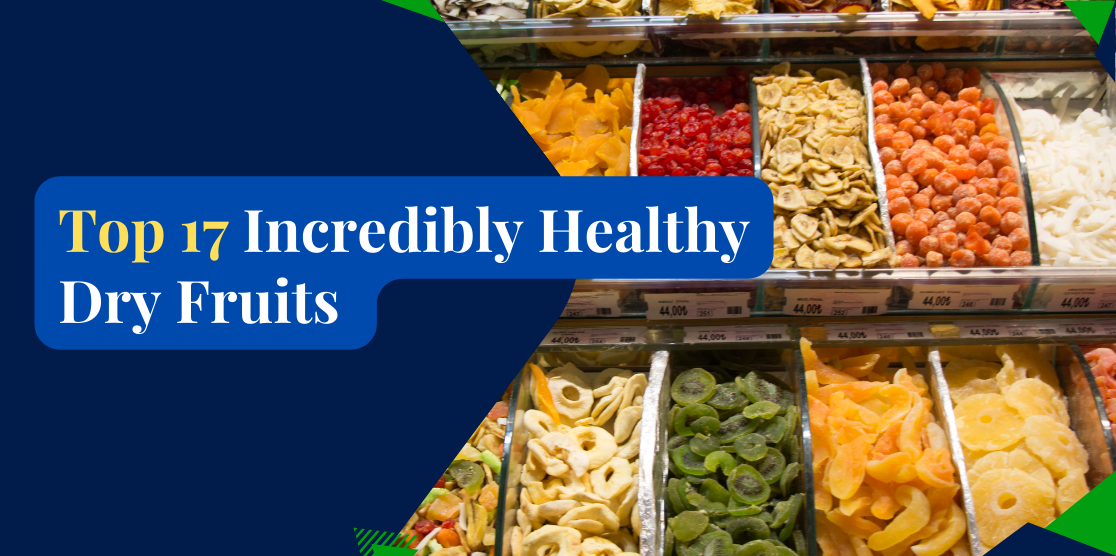
17 Healthy Dry Fruits (With Names) and their incredible benefits
Here is a list of 17 healthy dry fruits and their names. Incorporating them into your diet could be a key to optimal health and well-being. From the luscious sweetness of dates to the vibrant crunch of almonds, we will talk about it all. We will also talk about the incredible health benefits they offer.
Almonds
Walnuts
Cashews
Dates
Pistachio nuts
Dried Apricots
Dried Figs
Hazelnuts
Prunes
Raisin
Goji Berries
Blue Berries
Pine Nuts
Dried Peach
Dried Pears
Dried Pineapple
Dried Kiwi
Dried Mango (Bonus)
1.) Almonds (Badam)
Almonds are one of the most popular dry fruits in India that don’t need much introduction. This low calorie dry fruit is loaded with healthy fats, antioxidants, protein, and other essential nutrients.
Eating almonds regularly can provide you with numerous health benefits, like stabilizing blood sugar levels, regulating blood pressure, aiding in weight loss, and much more.
It is highly advisable to soak this super food in water overnight and have it in the morning on an empty stomach for proper absorption of its nutrients.
Regular intake of walnuts is highly advisable, especially for persons suffering from neurological disorders like dementia, Parkinson’s, or Alzheimer’s.
Cashews are also rich in copper, magnesium, fibre, protein, and other essential nutrients that benefit overall health and well being. You can eat small servings of cashew nuts to fulfil your daily requirement of protein and healthy fats.
Dates are extremely nutritious and nourishing because of their high fibre content, which keeps you satiated for longer periods. Its health benefits are almost endless owing to its powerful composition of macro nutrients.
Although dates have a low glycemic index, it is always recommended for diabetic individuals to consult with doctors or health experts before consuming them.
Benefits:
As dates are a rich source of fibre, they can aid in effective weight management.
Phenolic compounds found in dates have proven to improve brain health and prevent neurological disorders like Parkinson’s, and dementia.
This crunchy and wholesome dry fruit is ideal for frequent snacking owing to its low calories and high fibre content. From weight loss to giving you glowing skin, the health benefits offered by pistachios are numerous.
If you are someone who frequently snacks during the day, substituting junk food with pistas could be a healthier alternative.
Benefits:
Pistachios are rich in compounds like B vitamins, γ-tocopherol, polyphenols, and dietary fibre, that could reduce the risk of cancer.
They Improve your eye sight as they are rich in powerful antioxidants like zeaxanthin and lutein.
Pistas are a rich source of fibre that aids in digestion, improving overall gut health.
They are loaded with vitamin B6, which boosts brain function.
Pistachios are a rich source of vitamin E, which helps reduce bad cholesterol levels and improve heart health.
Dried apricots, also known as Khumani, are a yellow, sweet, and juicy dried fruit that is rich in nutritional value. Apricots are mostly known for being rich in nutrients like vitamin A, vitamin E, and vitamin C. It is recommended to eat 4-5 apricots per day for health benefits.
Benefits:
Dried apricots are a rich source of fibre that helps with digestion.
Dried figs, also popularly known as Anjeer, are loaded with dietary fibre, which is extremely beneficial for digestive health. Figs are also a natural source of calcium and phosphorus, which play a key role in improving muscular and bone health.
As they are high on the glycemic index, they should be avoided by people suffering from diabetes.
Hazelnuts are a rich source of healthy fatty acids like omega 3 and omega 6, which are beneficial for cardiovascular health. This exotic dry fruit has proven to offer numerous benefits, like improving heart function, reducing cancer, and so on.
Hazelnuts are packed with nutrients like vitamin E, magnesium, copper, zinc, potassium, folate, etc.
Dried plums, commonly known as prunes, are a source of nutritional goodness. They are mostly consumed because of the digestive benefits they offer. Prunes are also loaded with prebiotic properties that promote good bacteria in the gut.
If you are suffering from constipation, consuming prunes can be greatly beneficial for you, as they act as a natural laxative.
Benefits:
Rich in fibre and prebiotic properties, it aids in effective digestion and improves gut health.
Improves bowel function and relieves constipation due to its high fibre content.
Raisins, popularly known as kishmish, are a rich source of calcium, potassium, fibre, and iron to provide you with the nutrients that your body needs. Kishmish is widely used in the preparation of sweets, health snacks, and so on.
If you want an instant boost of energy during the day, raisins could be an ideal healthy choice.
Benefits:
Raisins are rich in fibre, which aids in digestion and acts as a natural laxative.
Contains powerful compounds like beta-caratone, which helps improve eyesight.
Loaded with essential nutrients like vitamins and minerals that strengthen the immune system.
Goji berries are tiny red berries that are packed with numerous medicinal properties and antioxidants. From supporting the immune system to boosting collagen in the skin, its benefits are multiple.
Pine nuts, or chilgoza, are rich in omega 3, magnesium, iron, zinc, and other essential nutrients. You can eat them roasted as a part of your daily snacks, substitute them for junk food, or add them as toppings on healthy dishes.
Benefits:
Helps stabilise blood sugar levels and control diabetes.
Aids in effective weight loss.
Regular consumption of pine nuts is extremely beneficial for the heart.
Dried peach are not only sweet and juicy in taste but also full of important nutrients that are very good for the body. They contain essential nutrients like fibre, vitamins A, B, C, and K, as well as minerals like copper, magnesium, iron, and phosphorus.
As they are high in sugars it is advisable to be avoided by persons suffering from diabetes.
Benefits:
Packed with iron, it helps increase haemoglobin levels in the body.
A good source of vitamins A and B that strengthen immunity
Dried Peach are a great source of minerals and fibre.
Dried pears are one of the most popular dried fruits on the market, as they are not only tasty but also very healthy. This popular dried fruit is rich in fibre, potassium, and sodium. Dried pear has been used in traditional medicine as one of the best herbs in the fight against cough, especially for children.
Benefits:
Loaded with fibre that aids in maintaining a healthy body weight.
Effective remedy against respiratory diseases like colds, coughs, etc.
Effective in preventing high blood pressure.
Kashmiri Dried Pears are effective against respiratory disorders.
Dried kiwi has a high nutritional profile and low caloric content. It’s packed with antioxidants and anti-cancer properties, which reduce the chance of getting cancer. Regular consumption of this dried fruit is also beneficial to combat stress and depression.
Benefits:
Kiwis are low in calories, which makes them a healthier alternative to many snacks.
Packed with copper, which retains the natural colour of the hair and prevents premature hair blanching.
Loaded with vitamin C that improves respiratory disorders.
Last but not least, mangoes in dried form are even more nutritious and loaded with multiple health benefits, making them the perfect snack for any time of day.
Benefits:
Dried mangoes are a good source of fibre, which may help regulate blood sugar levels.
Vitamin A in dried mango can help promote healthy skin.
Dried mango is rich in antioxidants and fibre that improve overall health and well being.
Dried Mango are full of antioxidants and vitamins.
This article is written by Team InsuranceLiya.com, an independent website that writes about insurance, finance, health, and more. Our writers have a wealth of knowledge, experience, and degrees in the fields of insurance, finance, economics, and beyond.
Experience the power of Artificial Intelligence (A.I)
Chat with our super-intelligent A.I model and ask it anything about insurance and related products.